.jpg)








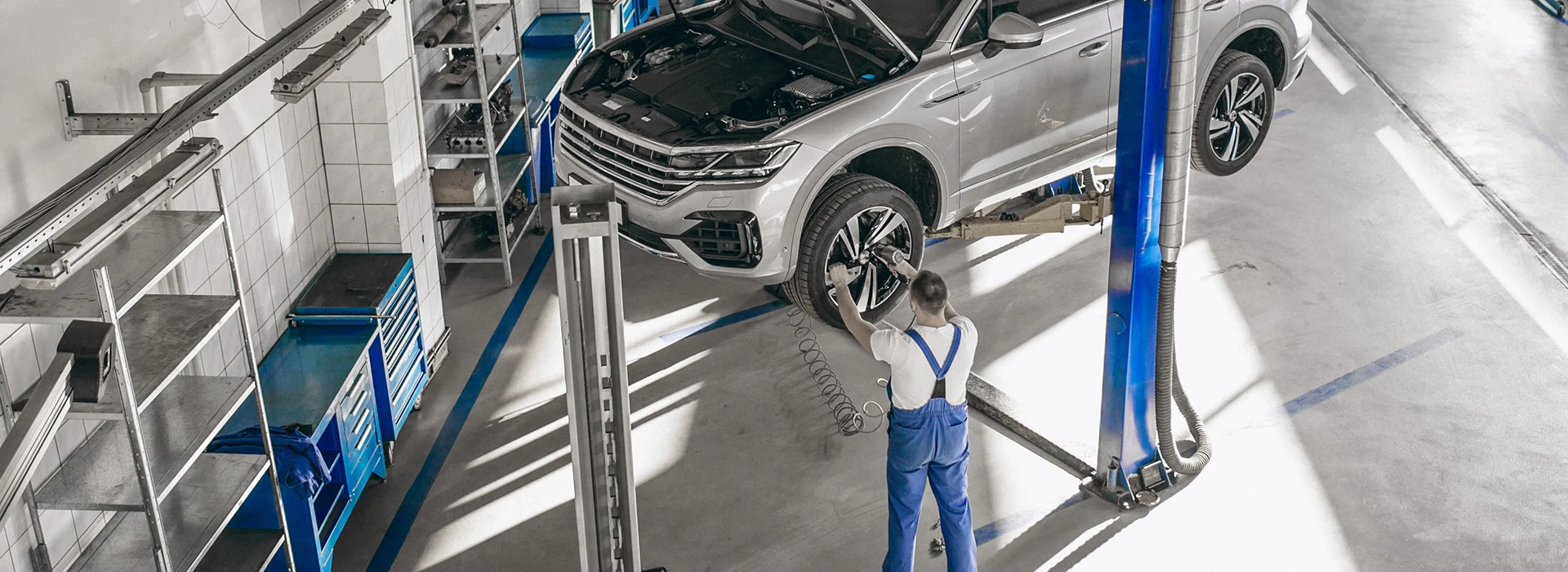
Comprehensive Engine Diagnostics at OccaNova in Philadelphia
Using state-of-the-art diagnostic tools, we identify issues quickly and precisely, saving you time and money on unnecessary repairs. Whether you're experiencing unusual noises, reduced performance, or warning lights on your dashboard, our friendly and professional technicians are here to help.
Our engine diagnostic service typically takes about 60 minutes, ensuring a comprehensive check without keeping you off the road for long. We pride ourselves on clear communication, explaining the findings and recommended solutions in a way that's easy to understand.
For car owners in Philadelphia seeking reliable and affordable engine diagnostics, OccaNova is your trusted partner. Let us help you maintain your vehicle's performance and safety with expert care tailored to your needs.
Engine diagnostics involve using specialized tools and software to analyze the engine's performance and detect any irregularities. This process can reveal problems such as misfires, sensor failures, or fuel system issues that might not be immediately noticeable during regular driving.
By regularly performing engine diagnostics, car owners can benefit in several ways:
- Early Detection: Identifying issues early allows for timely repairs, preventing minor problems from escalating into major engine failures.
- Cost Savings: Addressing engine problems promptly can save money by avoiding expensive repairs and improving fuel efficiency.
- Enhanced Safety: Ensuring the engine runs smoothly reduces the risk of breakdowns that could compromise your safety on the road.
- Improved Performance: Diagnosing and fixing engine issues helps maintain optimal engine performance, providing a smoother and more reliable driving experience.
In summary, engine diagnostics are an essential tool for car owners who want to keep their vehicles running efficiently and avoid unexpected engine troubles. Regular check-ups using diagnostic technology not only protect your investment but also contribute to safer and more enjoyable driving.
- Check Engine Light Illuminates: One of the most obvious signs is the check engine light turning on. This warning can indicate a variety of issues, from minor to serious, so it's important to have your engine diagnostics checked promptly.
- Unusual Noises: Knocking, pinging, or tapping sounds coming from the engine can signal problems such as worn-out components or poor combustion.
- Reduced Power and Performance: If your car feels sluggish, struggles to accelerate, or has difficulty maintaining speed, it could be a sign of engine trouble.
- Excessive Exhaust Smoke: Blue, black, or white smoke from the exhaust can indicate oil burning, fuel mixture issues, or coolant leaks.
- Poor Fuel Economy: A sudden drop in miles per gallon often points to engine inefficiency or malfunction.
- Engine Stalling or Rough Idling: If your engine frequently stalls or idles roughly, it may be struggling to maintain proper combustion.
- Overheating: An engine that frequently overheats can suffer from coolant leaks, radiator issues, or other serious problems.
Paying attention to these symptoms and seeking professional engine diagnostics early can help maintain your vehicle's health and ensure a safe driving experience.
- Initial Visual Inspection: The technician begins by examining the engine bay for obvious signs of wear, leaks, or damage. This includes checking hoses, belts, fluid levels, and looking for any loose or disconnected components.
- Connecting Diagnostic Tools: Next, a diagnostic scanner is connected to the vehicle's onboard computer system via the OBD-II port. This tool reads error codes that indicate specific engine problems.
- Retrieving and Interpreting Error Codes: The scanner displays trouble codes which the technician interprets to understand potential issues. These codes guide the next steps in the diagnostic process.
- Performing Functional Tests: Based on the error codes, various tests are conducted. This may include checking the ignition system, fuel delivery, sensors, and emission controls to pinpoint the exact cause of the problem.
- Analyzing Data and Symptoms: The technician reviews all gathered information, including the vehicle's performance symptoms reported by the owner, to form a comprehensive understanding of the engine's condition.
- Providing a Detailed Report: Finally, a clear and professional report is prepared outlining the findings, recommended repairs, and maintenance tips to keep your engine running smoothly.
By following these steps, car owners can ensure their engines are thoroughly checked and any issues are addressed promptly. Regular engine diagnostics are a key part of responsible vehicle ownership.
1. OBD-II Scanners
OBD-II (On-Board Diagnostics, second generation) scanners are electronic devices that connect to your car's diagnostic port to read error codes and provide real-time data about engine performance.
- Ease of Use: These scanners are user-friendly, often requiring just a plug-in and a few button presses to retrieve information.
- Accuracy: They provide precise error codes that pinpoint specific issues, making troubleshooting faster.
- Data Access: Beyond error codes, many scanners offer live data streams such as engine RPM, temperature, and oxygen sensor readings.
- Cost: Prices range from affordable basic models to advanced professional-grade tools.
2. Manual Diagnostic Methods
Manual diagnostics involve traditional techniques such as visual inspections, listening for unusual sounds, checking fluid levels, and using basic tools like multimeters.
- Skill Requirement: These methods rely heavily on the mechanic's experience and intuition.
- Time-Consuming: Without electronic assistance, identifying problems can take longer.
- Cost-Effective: Minimal investment in tools is needed, making it accessible for those comfortable with hands-on work.
- Limitations: Some engine issues may be difficult to detect without electronic data.
Which Should You Choose?
For most car owners, an OBD-II scanner offers a convenient and efficient way to diagnose engine problems, especially for modern vehicles equipped with OBD-II ports. However, manual methods remain valuable for routine checks and when electronic tools are unavailable.
Combining both approaches often yields the best results: use an OBD-II scanner for quick diagnostics and manual methods for thorough inspections and verification.
By understanding these tools, you can better maintain your vehicle's performance and avoid costly repairs down the road.
- Check Engine Light Activation
Often the first sign of engine trouble, the check engine light can indicate various problems such as faulty sensors or emissions issues.
Fix: Use a diagnostic scanner to read error codes and address the specific problem, which may involve replacing sensors or repairing emissions components. - Misfiring Engine
Misfires can cause rough idling and poor acceleration, often due to spark plug or ignition coil issues.
Fix: Replace worn spark plugs or faulty ignition coils to restore smooth engine operation. - Oxygen Sensor Failure
Faulty oxygen sensors can lead to inefficient fuel combustion and increased emissions.
Fix: Replace the defective oxygen sensor to improve fuel efficiency and reduce emissions. - Mass Air Flow Sensor Problems
A malfunctioning mass air flow sensor can cause poor engine performance and stalling.
Fix: Clean or replace the sensor to ensure accurate air intake readings. - Fuel System Issues
Problems like clogged fuel injectors or a failing fuel pump can reduce engine power.
Fix: Clean fuel injectors or replace the fuel pump as needed to maintain proper fuel delivery. - Vacuum Leaks
Leaks in vacuum hoses can cause rough idling and increased fuel consumption.
Fix: Inspect and replace damaged hoses to restore proper engine vacuum. - Thermostat Malfunction
A stuck thermostat can cause engine overheating or poor temperature regulation.
Fix: Replace the thermostat to maintain optimal engine temperature.
Regular engine diagnostics help detect these issues early, ensuring your car runs efficiently and reliably. If you notice any warning signs, consulting a professional for a diagnostic check is always a smart choice.
- Regular Oil Changes: Engine oil lubricates moving parts and prevents overheating. Change your oil and oil filter as recommended by your vehicle's manufacturer to keep the engine running smoothly.
- Check and Replace Air Filters: A clean air filter ensures proper air flow to the engine, improving fuel efficiency and performance. Replace it regularly to avoid engine strain.
- Monitor Coolant Levels: The cooling system prevents your engine from overheating. Regularly check coolant levels and top up or flush the system as needed.
- Inspect Belts and Hoses: Worn or cracked belts and hoses can lead to engine failure. Regular inspections help catch issues early before they cause costly damage.
- Use Quality Fuel: Using the right fuel grade and quality helps maintain engine health and prevents deposits that can trigger diagnostic trouble codes.
- Pay Attention to Warning Lights: If your check engine light comes on, don't ignore it. Early diagnostics can prevent minor issues from becoming major repairs.
- Schedule Regular Maintenance: Follow your vehicle’s maintenance schedule for tune-ups, spark plug replacements, and other essential services to keep your engine running efficiently.
By following these simple tips, you can extend the life of your engine and reduce the chances of costly diagnostics. Remember, proactive care is the best way to keep your car reliable and enjoyable to drive.