.jpg)








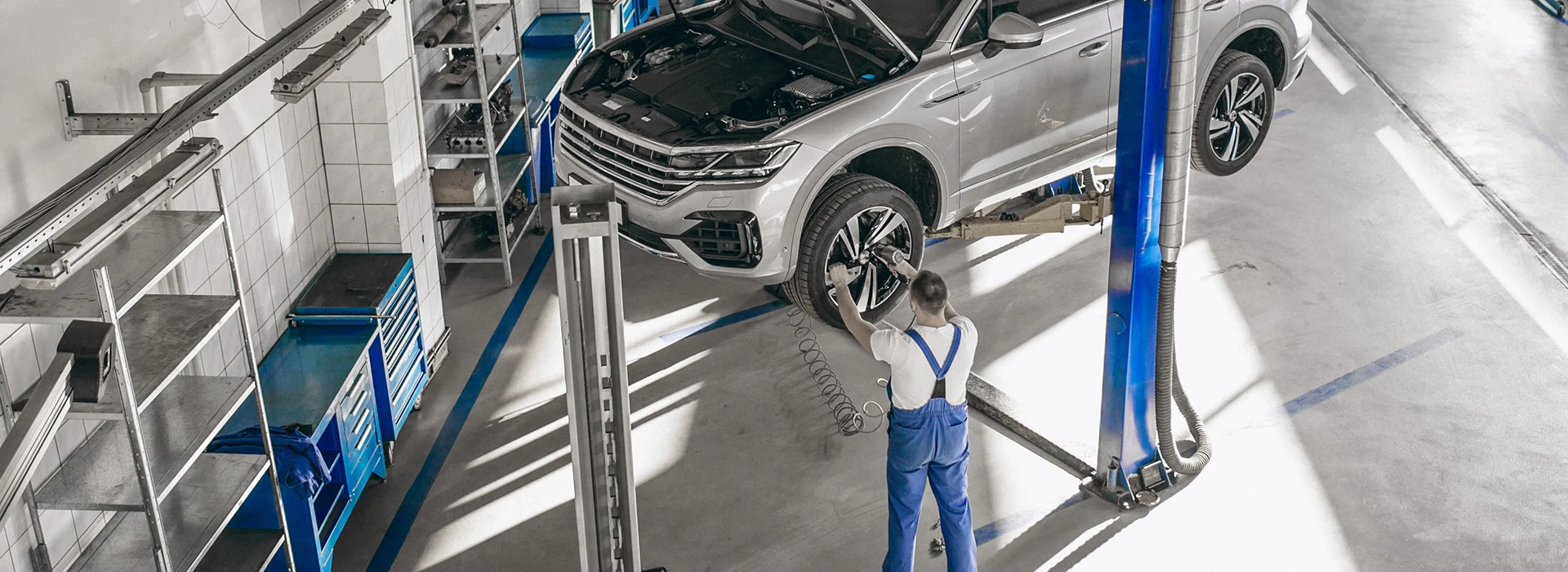
Expert Tire Balance Services in Philadelphia with OccaNova
Welcome to OccaNova, your trusted partner for professional tire balance services in Philadelphia, Pennsylvania. If you're a car owner, you know how crucial it is to keep your vehicle in top condition for safety and performance. Our friendly and experienced team is dedicated to providing high-quality tire balancing that ensures a smooth and safe drive every time.
Properly balanced tires not only improve your vehicle's handling but also extend the lifespan of your tires and suspension components. Our comprehensive service takes approximately 60 minutes, making it a quick yet essential maintenance step for your car. We use state-of-the-art equipment to accurately balance your tires, giving you peace of mind on every journey.
At OccaNova, we believe in offering professional, friendly service to our customers in Philadelphia. Whether you need a quick adjustment or regular maintenance, our team is here to help you keep your car running smoothly. Trust us to deliver reliable tire balance services that enhance your driving experience and keep you safe on the road.
Understanding the Importance of Tire Balancing
Hello, car owners! If you're looking to keep your vehicle running smoothly and safely, understanding tire balancing is a great place to start. Properly balanced tires are crucial for maintaining optimal vehicle performance, comfort, and most importantly, safety.
What Is Tire Balancing?
Tire balancing involves adjusting the distribution of weight around the tires and wheels to ensure they spin evenly. When tires are unbalanced, it means there's uneven weight, which can lead to vibrations and uneven wear.
Why Is Tire Balancing Important?
- Smooth Ride: Properly balanced tires provide a smoother ride by reducing vibrations that can be felt through the steering wheel or seat.
- Vehicle Longevity: Balancing tires helps prevent uneven tire wear, extending the lifespan of your tires and saving you money in the long run.
- Enhanced Safety: Unbalanced tires can lead to steering issues, increased stopping distances, and even tire blowouts, all of which compromise your safety on the road.
- Fuel Efficiency: When tires are balanced properly, your vehicle runs more efficiently, which can lead to better fuel economy.
When Should You Get Your Tires Balanced?
It's recommended to have your tires balanced whenever you install new tires, notice vibrations while driving, or during regular maintenance checks, typically every 5,000 to 6,000 miles. Keeping up with this simple maintenance step can make a significant difference in your driving experience.
Final Thoughts
As a responsible car owner, regular tire balancing is a small but vital step to ensure your vehicle operates safely and efficiently. If you're unsure whether your tires need balancing, consult with your trusted mechanic, and they'll take care of the rest. Drive safe and enjoy your ride!
How to Tell When Your Tires Need Balancing
As a car owner, you want your vehicle to run smoothly and safely, and one key aspect of this is keeping your tires properly balanced. But how do you know when your tires might be out of balance? Here are some common signs to look out for.
Vibrations While Driving
One of the most noticeable signs is feeling a vibration in the steering wheel, seat, or floorboard when driving. If this vibration becomes more pronounced at higher speeds, it’s a strong indicator that your tires may need balancing.
Uneven Tire Wear
Inspect your tires regularly. Uneven wear patterns, especially on the edges or in specific spots, can suggest imbalanced tires. This not only affects driving comfort but also shortens tire life.
Thumping Noise
Listen for unusual thumping or pounding sounds while driving. These noises often occur when tires are unbalanced and can get louder as you accelerate.
Steering Premise or Wavering
If your steering wheel wobbles or the vehicle seems to wander, it could be a sign that your tires need balancing. Properly balanced tires help maintain a straight and steady drive.
Feeling of Looseness
A loose or less responsive feel when turning or braking might also indicate tire imbalance, affecting your control and safety on the road.
If you notice any of these signs, it’s a good idea to visit a professional for a quick balancing check. Regular maintenance ensures a smoother ride and extends the life of your tires. Stay safe, and keep your car running perfectly!
Understanding the Tire Balancing Process: A Friendly Guide for Car Owners
Hello there, car enthusiasts! If you're curious about what it takes to keep your car running smoothly, let's talk about tire balancing — an essential maintenance step that often gets overlooked. Knowing the process can help you appreciate the work done during a tire service and why it's so important for your vehicle's performance and safety.
What is Tire Balancing?
Tire balancing involves evenly distributing weight around the tire and wheel assembly. When tires are not balanced correctly, you might notice uneven tread wear, vibrations while driving, or even issues with steering. Proper balancing ensures your ride is smooth and your tires last longer.
The Tire Balancing Process
- Removing the tire: The technician first lifts your vehicle and removes the tire from the wheel hub for inspection.
- Mounting the tire on a balancing machine: The tire and wheel assembly are mounted onto a specialized balancing machine that spins the assembly to analyze weight distribution.
- Analyzing the data: The machine detects any imbalance and indicates where weights need to be added or adjusted.
- Adding weights: Small weights (usually made of metal or adhesive strips) are attached to specific points on the wheel to counteract the imbalance.
- Rechecking: The assembly is spun again to verify that the imbalance has been corrected. This step may be repeated if necessary.
- Reinstalling the tire: Once balanced, the tire is mounted back onto your vehicle, ready to deliver a smooth ride.
Tools Required for Tire Balancing
- Balancing Machine: A high-tech device vital for analyzing weight distribution and guiding the placement of weights.
- Wheel Weights: Small weights used to correct imbalances, available in various sizes and materials.
- Lifting Equipment: Jacks and hoists to lift the vehicle safely during the process.
- Torque Wrench: Ensures that wheel lug nuts are tightened to the proper specification when reinstalling the tire.
Remember, regular tire balancing is a simple yet crucial part of maintaining your vehicle. If you're experiencing vibrations or uneven tire wear, it’s a good idea to visit a professional for a balanced check-up. Your car will thank you, and so will your driving experience!
Understanding the Difference Between Static and Dynamic Tire Balancing
Hello car owners! If you've noticed vibrations while driving or just want to keep your vehicle running smoothly, understanding tire balancing is essential. Today, let's explore the two main types: static and dynamic tire balancing, and see how they differ to help you make informed maintenance choices.
What Is Static Tire Balancing?
Static tire balancing is a straightforward process where weight is added to the tire and wheel assembly to ensure it stays balanced when stationary. It's mainly focused on eliminating up-and-down vibrations caused by uneven weight distribution. This method is often suitable for smaller vehicles or those experiencing minor imbalance issues.
What Is Dynamic Tire Balancing?
Dynamic tire balancing, on the other hand, accounts for imbalances that occur when the tire and wheel are spinning. It involves using specialized equipment to detect and correct forces that cause side-to-side vibrations and wobbling. This technique is more comprehensive and is recommended for high-speed driving or when experiencing persistent vibrations.
Key Differences at a Glance
- Measurement: Static balancing checks for vertical imbalance; dynamic balancing assesses both vertical and horizontal imbalances.
- Technique: Static uses weights on one side; dynamic uses weights placed more precisely around the wheel.
- Usage: Static is simpler and often used for basic maintenance; dynamic is more detailed, suitable for high-speed driving and larger vehicles.
Both methods aim to provide a smoother ride, improve tire wear, and extend your tire's lifespan. If you're unsure which type of balancing your vehicle needs, consult with a trusted mechanic who can recommend the best approach based on your driving habits and vehicle type.
Remember, regular tire maintenance, including balancing and alignment, plays a crucial role in keeping your car safe and performing at its best. Safe driving!
Understanding the Risks of Driving with Unbalanced Tires
Hello car enthusiasts! If you haven't thought much about your tire balance, it's time to pay attention. Unbalanced tires might seem like a minor issue, but they can lead to several significant problems that affect your driving experience and safety.
When your tires are not properly balanced, you might notice a vibrating steering wheel or a rough ride. More seriously, it can cause uneven tire wear, which means you'll need replacements more often and sooner than expected. It can also put extra stress on suspension components and steering systems, leading to costly repairs down the line.
Furthermore, unbalanced tires can impact your vehicle's fuel efficiency. An imbalanced tire makes your engine work harder, which can decrease your miles per gallon, leading to increased fuel costs. For safety, this imbalance might reduce your vehicle's handling and stability, especially at higher speeds, making driving less predictable and increasing the risk of accidents.
So, to keep your car running smoothly and safely, be sure to get your tires balanced regularly. It’s a simple step that can save you money and prevent potential hazards on the road. Drive smart and keep those tires in perfect harmony!
Keep Your Drive Smooth: Tips for Maintaining Proper Tire Balance
Hello there, car owners! If you're looking to extend the life of your tires and enjoy a smooth ride, maintaining proper tire balance is essential. Here are some friendly and professional tips to help you keep those tires in top shape.
1. Regularly Check Your Tires
Inspect your tires for uneven wear or any signs of damage. Regular checks can help you catch any imbalance issues early on before they become bigger problems.
2. Get Professional Balancing Done
Every time you have new tires installed or during routine maintenance, ask your mechanic to balance your tires. Proper balancing involves precise placement of weights to ensure even rotation.
3. Watch for Vibrations
If you notice vibrations while driving, especially at higher speeds, it might be a sign that your tires are out of balance. Don't ignore these signs; have a professional check them out promptly.
4. Keep Your Tires Properly Inflated
Maintaining the correct tire pressure, as recommended by your vehicle manufacturer, helps in even tire wear and balance. Use a reliable gauge to check pressure regularly.
5. Rotate Your Tires
Rotating your tires every 5,000 to 8,000 miles helps in even distribution of wear, which contributes to better balance and longer tire life.
6. Be Mindful of Road Conditions
Driving on rough or uneven roads can cause your tires to become out of balance. Try to avoid potholes and rough terrain whenever possible to protect your tires.
By following these simple, friendly tips, you'll help ensure a smoother ride, longer-lasting tires, and a safer driving experience. Remember, regular maintenance is the key to enjoying your journeys to the fullest!
Keep Your Ride Smooth: Tire Balancing and Potholes
Hello car owners! Navigating the roads means dealing with a lot — and unfortunately, potholes are a common obstacle. One essential maintenance task that can help you handle these rough patches better is ensuring your tires are properly balanced.
What is Tire Balancing?
Tire balancing involves adjusting the weight distribution around the wheel to ensure it spins evenly. It might seem small, but this process is crucial for a smooth ride, preventing uneven tire wear and reducing stress on your vehicle’s suspension.
Why Potholes Affect Your Tires
Potholes can cause serious damage, from bent rims to misaligned wheels. When your tires are not balanced, hitting a pothole can result in worse vibrations, uneven tread wear, and even tire blowouts.
How Proper Tire Balance Helps You Conquer Potholes
When your tires are correctly balanced, your vehicle absorbs shocks from uneven road surfaces more effectively. This not only makes your drive more comfortable but also minimizes unnecessary wear and tear caused by potholes. Regularly checked and balanced tires are your first line of defense against road hazards.
Tips for Maintaining Tire Balance
- Get your tires balanced during regular maintenance or when you notice vibrations.
- Check for uneven tire wear which might indicate imbalance or other issues.
- Never ignore the effects of hitting a large pothole; have your tires and alignment inspected afterward.
By keeping your tires properly balanced and staying vigilant about road conditions, you can ensure your vehicle handles potholes with less stress and greater safety. Regular check-ups at your trusted auto service can keep your tires in top shape, ready for whatever the road throws your way!