.jpg)








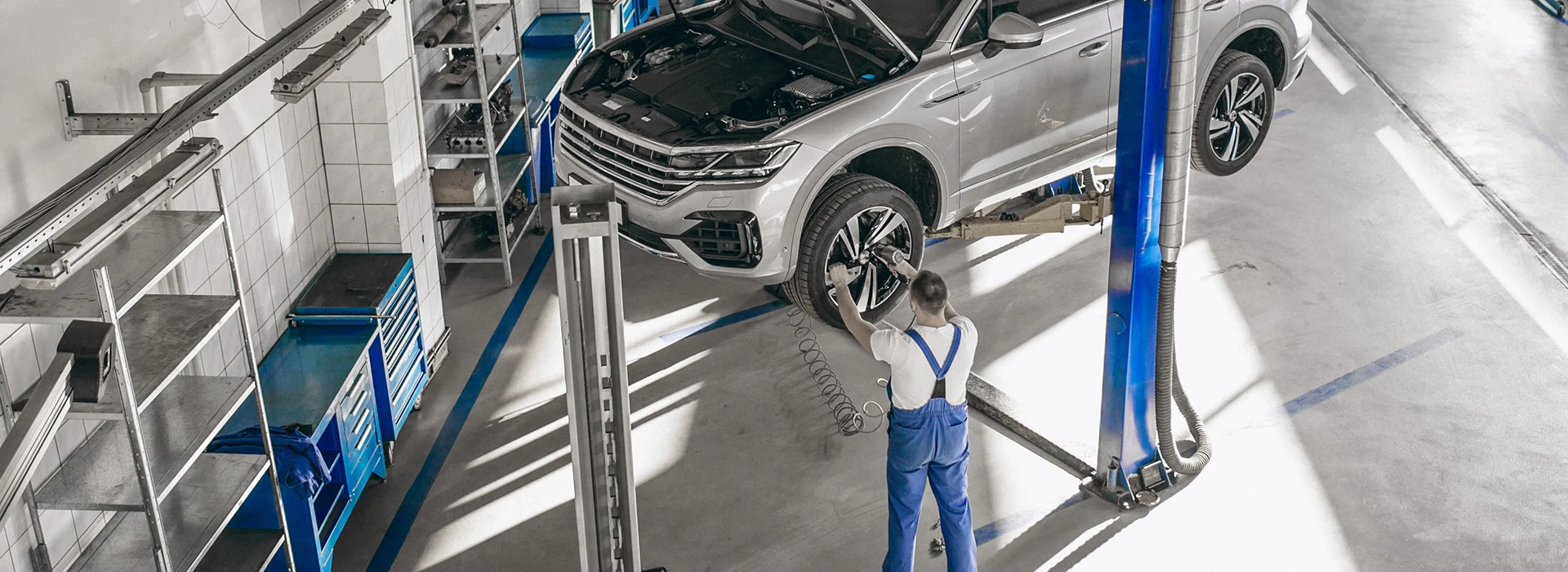
Expert Tire Alignment Services in Philadelphia by OccaNova
Our professional team at OccaNova offers expert tire alignment services designed to keep your vehicle running smoothly and safely. With an average service duration of just 60 minutes, we provide efficient and reliable alignment that helps extend the life of your tires and improves your driving experience.
Whether you’ve recently installed new tires or have noticed uneven tire wear or handling issues, our friendly and professional technicians are here to help. We use advanced equipment to precisely adjust your vehicle’s alignment, ensuring optimal contact with the road and preventing premature tire damage.
Trust OccaNova in Philadelphia for all your tire alignment needs. Protect your investment, enhance your vehicle’s performance, and drive with confidence knowing your tires are properly aligned.
Proper tire alignment plays a crucial role in vehicle handling. When your tires are correctly aligned, your car drives straight and responds accurately to steering inputs. This means better control on the road, especially during turns or sudden maneuvers, enhancing your overall driving experience and safety.
Moreover, tire alignment significantly affects tire life. Misaligned tires can cause uneven or rapid tire wear, leading to the need for premature replacement. This not only increases your maintenance costs but also compromises traction and fuel efficiency. By keeping your tires properly aligned, you ensure even wear patterns, extending the lifespan of your tires and saving money in the long run.
In summary, regular tire alignment checks and adjustments are vital for:
- Improved vehicle handling and safety
- Extended tire life through even wear
- Enhanced fuel efficiency
- Reduced strain on suspension components
Make it a habit to have your tire alignment inspected during routine maintenance or if you notice signs like your vehicle pulling to one side or uneven tire wear. Proper tire alignment is a simple yet effective way to keep your car running smoothly and safely.
- Uneven Tire Wear: If you notice that the tread on your tires is wearing down more on one side than the other, it’s a strong indication that your wheels are out of alignment.
- Vehicle Pulls to One Side: When driving on a straight, flat road, your car should track straight ahead. If it consistently pulls to the left or right, it’s likely your alignment is off.
- Steering Wheel Off-Center: If your steering wheel isn’t centered when driving straight, this can be a sign of misalignment.
- Vibrations in the Steering Wheel: Misaligned tires can cause vibrations or shaking in the steering wheel, especially at higher speeds.
- Loose or Wandering Steering: If your steering feels loose or your vehicle wanders on the road, it may be time for an alignment check.
Paying attention to these signs and addressing tire alignment issues promptly can improve your driving experience and extend the life of your tires. If you notice any of these symptoms, consider scheduling a professional tire alignment service.
1. Front-End Alignment
This type of alignment focuses solely on the front wheels of your vehicle. It involves adjusting the angles of the front tires—such as camber, caster, and toe—to ensure they are set according to the manufacturer's specifications. Front-end alignment is typically used for vehicles with a solid rear axle or those that only allow adjustments on the front wheels. It helps improve steering response and reduces uneven tire wear on the front tires.
2. Thrust Angle Alignment
Thrust angle alignment is a step beyond front-end alignment. It involves aligning the front wheels in relation to the rear wheels to ensure the vehicle tracks straight. The thrust angle refers to the direction that the rear wheels are pointing relative to the vehicle's centerline. If the rear axle is out of alignment, the thrust angle will be off, causing the vehicle to 'dog track' or veer to one side. Thrust angle alignment corrects this by adjusting the front wheels to match the rear wheels' direction, improving overall vehicle stability.
3. Four-Wheel Alignment
This is the most comprehensive type of alignment, where both the front and rear wheels are adjusted. Four-wheel alignment is essential for vehicles with independent rear suspension or those that allow adjustments on all wheels. It ensures that all four wheels are aligned according to the manufacturer's specifications, optimizing handling, tire wear, and fuel efficiency. This alignment type corrects issues like thrust angle problems and is recommended if your vehicle has been in an accident or if you notice uneven tire wear on both front and rear tires.
Summary:
- Front-End Alignment: Adjusts only the front wheels; suitable for vehicles with fixed rear axles.
- Thrust Angle Alignment: Aligns front wheels relative to rear wheels to correct vehicle tracking.
- Four-Wheel Alignment: Adjusts all four wheels; ideal for vehicles with adjustable rear suspensions.
Regular tire alignment checks and adjustments can extend the life of your tires and improve your driving experience. If you're unsure which alignment your vehicle needs, consult a professional technician who can recommend the best service based on your car's design and condition.
- Uneven Tire Wear: Misalignment causes tires to wear unevenly, reducing their lifespan and leading to frequent replacements.
- Poor Handling: Your car may pull to one side, making steering difficult and increasing the risk of accidents.
- Reduced Fuel Efficiency: Misaligned tires create extra resistance, causing your engine to work harder and consume more fuel.
- Increased Tire Damage: Uneven pressure on tires can cause premature damage such as tread separation or sidewall bulges.
- Suspension and Steering System Strain: Continuous driving with misalignment puts extra stress on suspension components, potentially leading to costly repairs.
To maintain optimal vehicle performance and safety, it's important for car owners to have their tire alignment checked regularly and corrected when necessary.
- Regularly Check Your Tire Alignment: Even if your car seems to be driving fine, it's a good idea to have your tire alignment checked at least once a year or every 12,000 miles. Misalignment can develop gradually and may not be immediately noticeable.
- Inspect Tires for Uneven Wear: Uneven tire wear is a common sign of misalignment. Look for excessive wear on one side of the tire or bald spots. If you notice this, schedule an alignment check promptly.
- Avoid Hitting Curbs and Potholes: Sudden impacts from curbs, potholes, or road debris can knock your tires out of alignment. Drive carefully and avoid these hazards whenever possible.
- Maintain Proper Tire Pressure: Keeping your tires inflated to the manufacturer's recommended pressure helps maintain proper contact with the road and supports alignment.
- Rotate Your Tires Regularly: Rotating your tires every 5,000 to 7,000 miles promotes even tire wear and can help detect alignment issues early.
- Pay Attention to Steering and Handling: If your vehicle pulls to one side, the steering wheel is off-center, or you experience vibrations, these could be signs of misalignment. Have your alignment checked immediately.
- Choose a Trusted Professional: When it's time for an alignment, visit a reputable service center with experienced technicians who use modern alignment equipment.
By following these tips, you can maintain proper tire alignment, enhance your vehicle's performance, and enjoy a safer, smoother ride. Remember, regular maintenance is key to preventing costly repairs and ensuring your tires last longer.
So, how much can alignment add to your car's fuel efficiency? While the exact improvement varies depending on the severity of misalignment and driving conditions, studies show that properly aligned tires can improve fuel economy by up to 10%. This is because aligned tires reduce rolling resistance, allowing your engine to use less energy to maintain speed.
In addition to saving fuel, regular tire alignment helps extend the life of your tires and improves overall vehicle handling, making your driving experience safer and more comfortable.
To maximize these benefits, it's a good idea to have your tire alignment checked during routine maintenance or if you notice uneven tire wear, your car pulling to one side, or a crooked steering wheel when driving straight.
Investing in proper tire alignment is a simple and cost-effective way to enhance your car's fuel efficiency and performance.